-
-
Sort through our administrative resume examples to see what works best for you.
-
Our sales resume examples can help you write the best possible resume.
-
Explore our food service resume examples to show your skills effectively.
-
Start crafting your job-winning resume with our teaching resume examples.
-
-
-
Use our administrative cover letter examples for ideas on writing your own.
-
Use our sales cover letter examples to effectively show your sales accumen.
-
Write your job-winning cover letter following our nursing cover letter examples.
-
Learn to tell your story in education using our teaching cover letter examples.
-






- Our customers have been hired by*


Entry-Level Dance Resume
This resume example effectively emphasizes diverse teaching and choreography skills, making it ideal for recent graduates and career changers aspiring to excel in the dance industry.

Why this resume works:
A skills-focused resume benefits new or returning dance professionals by emphasizing strengths like choreography and teaching methods. This format allows them to showcase creative direction and performance expertise, rather than highlighting any employment gaps or limited work experience, making their unique contributions stand out.

Mid-Career Dance Resume
This resume example is perfect for dance professionals with experience in choreography and instruction, aiming to showcase their artistic achievements and leadership skills to advance their careers.
Why this resume works:
Mid-career dance professionals can highlight their achievements by noting that they increased student attendance by 40% through innovative teaching methods or choreographed award-winning performances that attracted over 300 audience members. They may also mention directing numerous successful shows, improving community engagement and participation in the arts.

Experienced Dance Resume
This dance resume example showcases a seasoned professional's leadership achievements and creative impact, making it ideal for those seeking senior roles in the industry.
Why this resume works:
Leadership roles and advanced certifications underscore the ability to manage complex scenarios.

Looking for something else?
Create Your Standout Resume Today
Use our resume examples for inspiration on organization, color, and design—and learn how to effectively summarize your dance skills and experience with confidence.

How to Write a Dance Resume
Learning how to write a resume allows you to showcase your unique value as a dance professional instead of merely listing your experiences. By highlighting your choreography skills, performance history, and training, you can create a powerful presentation that stands out.
In the sections that follow, we will outline step-by-step guidance on crafting resumes specifically for dance careers. Expect essential resume tips on structuring your information and emphasizing your artistic achievements effectively.
Start with your contact info
The header section contains all your contact information, prominently displayed at the top of your resume. Start with your name in a larger font to ensure it captures attention immediately. Choosing a stylish font or incorporating subtle design elements can improve visual appeal while maintaining professionalism.
Next, include key contact details such as your email address, phone number, and city/state of residence. This information is vital for potential employers to reach you easily and helps streamline the recruitment process by allowing applicant tracking systems to categorize job seekers effectively.
Lastly, you might want to add links to relevant dance certifications, training programs, or an online portfolio showcasing your performances. These additional resources can provide deeper insights into your skills and experiences, helping you stand out in a competitive field by illustrating your dedication and accomplishments in dance.
Write a strong professional summary
A professional summary is a brief overview of your qualifications and skills. It typically appears right below your contact details on your dance resume, making it one of the first things potential employers will see.
In this section, you should highlight your relevant experience, strengths, and passion for dance. Tailoring this summary to match the specific job you're applying for can significantly improve your chances of catching a recruiter's eye.
To get started, check out various resume summary examples that showcase effective phrasing and structure. These can serve as excellent templates to help you craft your own unique summary.
Strong vs weak dance summary
Strong

"Dynamic dance professional with over eight years of experience in contemporary and ballet styles. Proven ability to choreograph innovative performances while fostering creativity and collaboration among dancers. Skilled in technique training, performance preparation, and stage management, with a strong record of successful productions. Certified in dance education and first aid."
Why this example works: This summary effectively describes the applicant’s extensive experience, highlights measurable achievements like successful productions, showcases essential skills specific to dance such as choreography and technique training, and incorporates relevant keywords found in dance job descriptions.
Weak

"Dancer seeking opportunities to showcase my talent and perform. I have experience dancing in various styles and enjoy being part of a group."
Why this example doesn't work: This summary is weak because it is generic and lacks specific details about the dancer's skills, achievements, or unique experiences that would make them stand out.

Craft a personal mission statement for your dance career that aligns with the values of the studio or company you aim to join. Highlight how your enthusiasm for movement and commitment to community engagement enriches their artistic vision while improving the experience for dancers and audiences alike.
Share your work history
Listing your work experience in reverse chronological order is essential as it highlights your most recent and relevant positions first. This format allows employers to quickly evaluate your career progression and applicable skills. Additionally, it emphasizes the growth you have achieved over time in the field of dance.
When detailing your work history, focus on:
- Role title and dance company name
- Dates of employment (month and year)
- Daily responsibilities (What types of performances or classes did you conduct?)
- Highlights and contributions (Did you choreograph successful routines or lead workshops?)
- Quantifiable successes (For instance, "increased class attendance by 30%.")
Finally, be sure to incorporate dynamic action verbs to energize your descriptions.
Strong vs weak dance work history
Strong
Dance Instructor, Creative Arts Studio
2018–2023
- Developed and implemented diverse dance curricula for over 150 students, improving their technique and performance skills.
- Organized annual recitals that showcased student talent, resulting in a 40% increase in audience attendance each year.
- Mentored junior instructors, fostering their growth and facilitating professional development workshops.
Why this example works: A strong work history highlights specific achievements and contributions that illustrate your capabilities. Including measurable outcomes and specialized teaching methods demonstrates both artistic skill and leadership qualities.
Weak
Dancer
Local Dance Studio
- Participated in classes and performed routines.
- Helped with organizing events.
Why this example doesn't work: This entry is ineffective because it does not specify the type of dance or level of performance. The tasks are vague and could apply to various roles, lacking specific achievements or contributions.
Experienced dancers with over 10 years in the industry should opt for a chronological resume format. This format allows you to clearly illustrate your journey through various dance styles, performances, and roles, showcasing your artistic growth and expertise effectively.
Highlight your key skills
The skills section of your resume is essential for showcasing your unique strengths as a dancer. Here's a rundown of various skill types and their significance in improving your application:
- Soft skills are personal attributes that indicate how you collaborate with others—such as creativity, teamwork, and communication. For dancers, qualities like adaptability and discipline are important as they improve performance and foster a positive atmosphere in group settings.
- Hard skills in dance include specific techniques and movements that you have mastered through training and practice. Examples include ballet technique, jazz improvisation, hip-hop choreography, and contemporary performance skills.
- Technical skills in dance encompass your expertise with various performance techniques and choreography software. Examples include using platforms like DanceStudioPro for scheduling, employing video editing tools such as Final Cut Pro during rehearsals, and mastering specific dance styles like ballet or hip-hop.
For dancers just starting out, highlight your skills section near the top of your resume to showcase your strengths despite limited experience. Seasoned professionals should position this section after their performance history, allowing their experience to speak for itself.
Top 15 skills for your dance resume
When creating your dance resume, it’s important to highlight skills that align with the expectations of the industry. Combine technical skills, such as choreography and performance techniques, with soft skills like teamwork and creativity. Also, emphasize transferable skills that can improve your adaptability in different dance styles or roles.
Here’s a list of the top 15 skills for dancers, based on insights from JobHero users. These skills are essential in showcasing your abilities and versatility, making your resume stand out in a competitive audition landscape.
Build your education section
When crafting your resume, the education section's prominence should align with your experience level. For seasoned professionals, emphasize work history over educational credentials. If your roles do not require specific degrees, consider placing education towards the end or omitting it altogether.
In contrast, recent graduates or those entering specialized fields should prioritize their education upfront. Highlight relevant degrees and coursework to showcase foundational knowledge and skills that may be essential for prospective employers.
Additionally, including certifications can further strengthen your application in competitive areas. Tailoring this section effectively boosts your chances of standing out in a crowded job market while ensuring that your qualifications are presented clearly and engagingly.
20 action verbs to add to your resume
Using action verbs improves your resume by clearly showcasing your experiences and achievements, making it more engaging for hiring managers. They convey confidence and decisiveness, which are essential qualities in an applicant.
When selecting action verbs for a dance-related role, choose those that highlight relevant skills such as choreography or performance. Aligning your language with job postings ensures you resonate with potential employers.
- Choreographed
- Performed
- Created
- Directed
- Rehearsed
- Collaborated
- Taught
- Instructed
- Promoted
- Organized
- Designed
- Produced
- Facilitated
- Coached
- Evaluated
- Critiqued
- Supported
- Encouraged
- Engaged
- Motivated
Consider additional resume sections
While your core resume provides the most critical information, adding targeted sections can showcase your unique qualifications. These sections help hiring managers quickly identify your skills, experiences, and achievements beyond standard resume sections.
Here are optional sections we tend to see on dance resumes:
- Dance styles: List the various dance styles you excel in (ballet, contemporary, hip-hop, etc.) to highlight your versatility.
- Training and education: Detail formal training programs or dance schools attended, along with degrees or certifications earned.
- Performances: Highlight notable performances or productions you've participated in, including roles and venues.
- Choreography experience: Describe any choreography work you've done for shows or competitions that showcases your creativity.
- Awards and recognitions: Include any awards or accolades received for your dance performances or contributions to the art form.
5 Tips for Formatting Your Resume
Proper resume formatting is essential for job seekers as it improves readability and engages recruiters. Using ATS-friendly resume templates ensures your application passes automated filters, which helps increase your chances of getting noticed by hiring managers.
1. Watch your line spacing and margins
Proper spacing helps your resume look clean and organized, making it easier for recruiters to read. Clear visual separation between sections improves the overall impact of your presentation. Here's what works best:
- Keep margins between 0.5″ to 1.0″, depending on how much space you need.
- Use single spacing between paragraphs and bullet points.
- Raise the space to 1.5″ or double-space between sections.
2. Use a professional font
Choosing the resume font that best suits your resume is important because it impacts both readability and first impressions. Opting for one of these professional fonts is advisable:
- Helvetica
- Garamond
- Verdana
- Tahoma
- Futura
- Rockwell
Consider using a slightly bolder or larger font for your name at the top of your resume to create an strong introduction.
3. Organize your resume sections
A resume for a dance professional should be structured for clarity and impact. Use bullet points to outline your experience, making it easy to digest. Start each point with a strong action verb that highlights your specific contributions, such as "Choreographed a community performance that attracted over 200 attendees," showcasing both creativity and outreach.
To make your accomplishments stand out, include measurable results. For example, "Increased student enrollment in dance classes by 25% through innovative marketing strategies" demonstrates your effectiveness in driving growth within an organization. This quantifiable evidence can significantly improve your appeal.
Finally, ensure your resume is ATS-compatible by using an ATS resume checker. This tool ensures that your formatting is optimal and keywords relevant to the dance field are included, improving the chances of passing through initial application screenings.
4. Use colors and design
In the world of dance, your resume should reflect your artistic flair while maintaining professionalism. A thoughtfully designed resume can make a significant impact and effectively highlight your skills and experience.
Begin by searching for resume templates that resonate with your personal style and the industry’s expectations. The combination resume format is particularly beneficial, as it allows you to emphasize both your performance experience and relevant skills in a visually appealing way.
When selecting a color scheme, opt for colors that embody creativity yet remain professional. Soft pastels or rich jewel tones can convey elegance without overwhelming the reader. Use these colors to accentuate headers or section dividers, providing a clear structure to your resume.
Avoid using overly bright or neon colors that may distract from your accomplishments. Additionally, steer clear of any color schemes associated with rival dance companies or those that could compromise readability. Focus on striking the right balance between artistry and professionalism to create an engaging presentation of your talents.
As a dancer, your resume should reflect your vibrant artistry while maintaining professionalism. Consider using dynamic layouts and striking color choices to showcase your unique style. Incorporating elements like dance-related icons or playful fonts can help express your creativity and passion for movement.
However, it's vital to tailor these design choices to the company you're applying to. For instance, a contemporary dance company may appreciate bold graphics and innovative designs, whereas a classical ballet organization might prefer a more refined and traditional approach. Remember, your resume is not only a reflection of your experience but also an extension of your artistic identity.
5. Keep your resume length to 1-2 pages
Resumes should typically be one page long. This length allows hiring managers to quickly grasp your qualifications without wading through excessive details. Focus on including only the most relevant experiences and skills that align with the job you are targeting. Avoid listing similar responsibilities across multiple positions to keep your content concise.
There are exceptions when a two-page resume is justified, such as for applicants with extensive experience in high-level roles or specialized fields that require detailed descriptions of accomplishments. In academia or research positions, a CV may be more appropriate due to the need for comprehensive listings of publications and presentations.
Keep your resume clear and strong by prioritizing quality over quantity. A well-organized, focused document will make a stronger impression than one that simply tries to fill space.
FAQ
Do I need to include a cover letter with my resume?
Crafting a cover letter is a valuable step in the job application process, even when it's not mandatory. It allows you to highlight your unique skills and experiences that may not be fully captured in your resume. By writing a cover letter, you can improve your profile and catch the attention of hiring managers.
If you're unsure where to begin, explore our collection of cover letter examples for inspiration tailored to various fields. When you're ready to create your own, our Cover Letter Builder can guide you through each step, ensuring you present yourself effectively.
What is the best resume format?
Choosing the right resume formats depends on your specific career needs. The three main types are chronological, functional, and combination. Each serves a unique purpose and can be helpful for different job seekers based on their experience and career goals.
The chronological format is ideal for those with extensive work history, showcasing job progression clearly. The functional format focuses on skills and qualifications, making it suitable for recent graduates or those changing careers. Meanwhile, the combination format merges both approaches, offering flexibility for mid-level professionals or individuals transitioning between fields while emphasizing both experience and skills.
How long should my Dance resume be?
For dance professionals, a one-page resume is typically ideal, especially for those with less than a decade of experience. Casting directors and choreographers often sift through many applications quickly, so a succinct, well-structured single page allows your standout skills to shine.
Highlight your most relevant performance experience, training, and choreography credits. Focus on recent roles that showcase your talent relevant to the position you seek. Remove outdated performances or excessive details about non-dance jobs.
Consider a two-page resume only if you are an established dancer or choreographer with extensive credits and notable collaborations. In these situations, additional space can effectively convey the depth of your experience and artistic achievements.
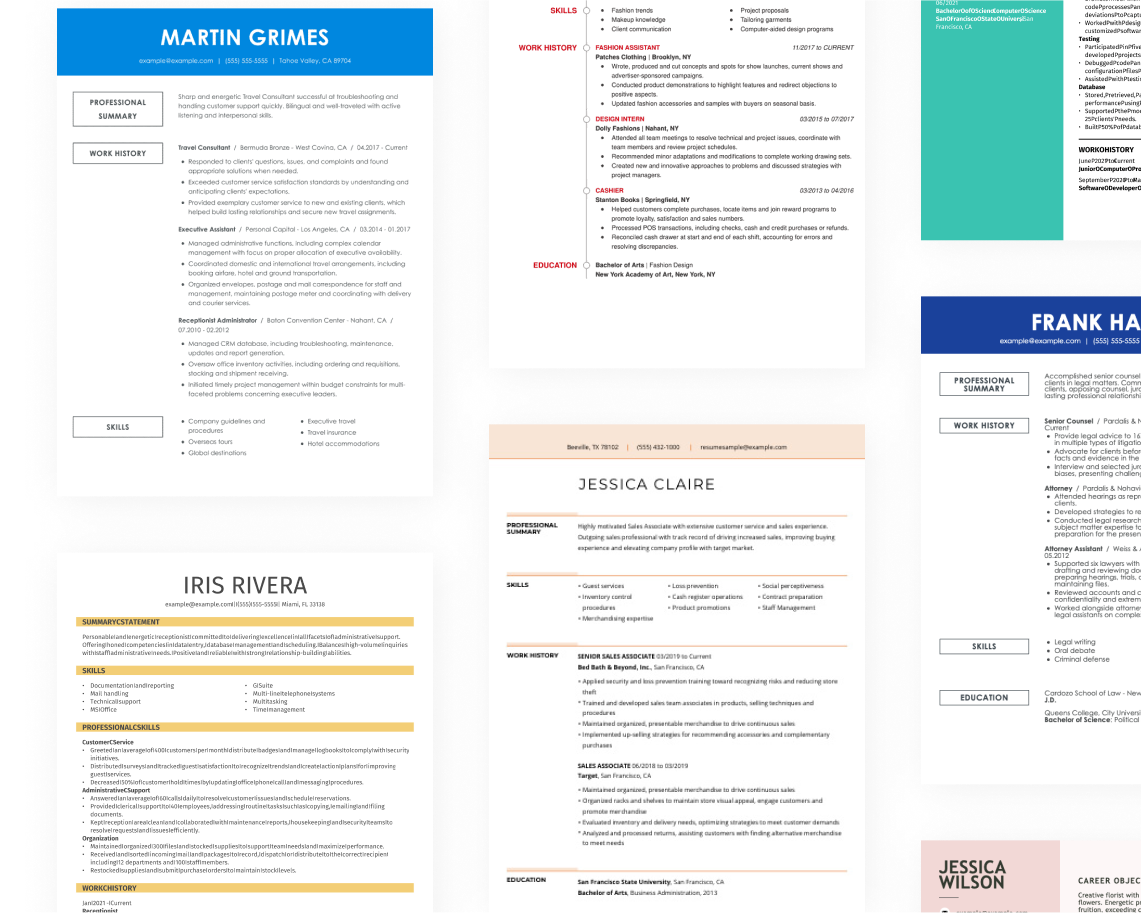
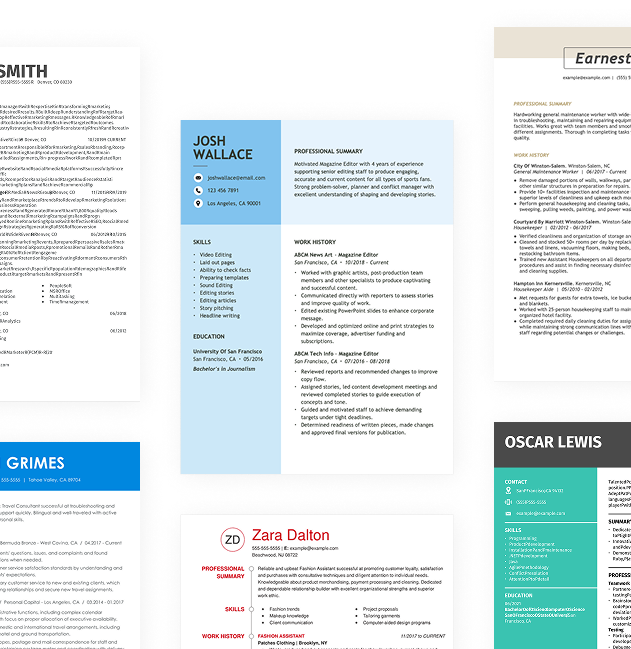
Build a custom resume in minutes with our professional templates and expert tips.
More Resources


By Natalia Merced | CPRW, Career Writer


By Gabriela Barcenas | CPRW, Career Writer

By Natalia Merced | CPRW, Career Writer
By Gabriela Barcenas | CPRW, Career Writer

By Natalia Merced | CPRW, Career Writer