-
-
Sort through our administrative resume examples to see what works best for you.
-
Our sales resume examples can help you write the best possible resume.
-
Explore our food service resume examples to show your skills effectively.
-
Start crafting your job-winning resume with our teaching resume examples.
-
-
-
Use our administrative cover letter examples for ideas on writing your own.
-
Use our sales cover letter examples to effectively show your sales accumen.
-
Write your job-winning cover letter following our nursing cover letter examples.
-
Learn to tell your story in education using our teaching cover letter examples.
-






- Our customers have been hired by*


Entry-Level Waitress Resume
This resume example effectively showcases the skills and experiences of career changers, making it ideal for those looking to transition into a waitress role while emphasizing customer service and team collaboration.

Why this resume works:
A strong academic foundation shows the candidate is well-prepared to transition into this role.

Mid-Career Waitress Resume
This resume example is perfect for waitresses with several years of experience who are eager to elevate their careers in the hospitality industry or take on more specialized roles.
Why this resume works:
Mid-career waitresses can highlight achievements like increasing average check sizes by 20% through upselling techniques or maintaining a 98% customer satisfaction rate over two years. They may also note training new staff, resulting in a 40% reduction in service errors, showcasing their impact on team performance and guest experiences.

Experienced Waitress Resume
This waitress resume example is perfect for experienced professionals aiming to progress into roles with greater responsibility and leadership opportunities.
Why this resume works:
Leadership roles and advanced certifications underscore the ability to manage complex scenarios.

Service Crew Resume
This skills-focused resume enables waitstaff at every level to highlight their service excellence and sales achievements, making a strong impression on potential employers.
Why this resume works:
Specialized training and expertise emphasizes deep knowledge in working with specific requirements.

Mcdonalds Crew Member Resume
A well-balanced resume format empowers mid-career waitresses to highlight both their extensive service skills and noteworthy accomplishments, positioning them favorably for roles such as lead server or restaurant manager.
Why this resume works:
This applicant showcases significant strengths in delivering exceptional service across various dining experiences. Their ability to improve customer satisfaction and train new team members highlights adaptability and a commitment to excellence in fast-paced environments.

Looking for something else?
Create Your Standout Resume Today
Use our resume examples for inspiration on organization, color, and design—and learn how to effectively summarize your waitress skills and experience with confidence.

How to Write a Waitress Resume
Learning how to write a resume is important for showcasing your unique value as a waitress rather than simply listing your job duties. By emphasizing your strengths in customer service and teamwork, you can create a strong impression on potential employers.
In the upcoming sections, we will outline step-by-step guidance on resume tips specifically for waitstaff positions. You’ll discover essential advice that covers everything from crafting a strong objective statement to highlighting relevant experience effectively.
Start with your contact info
The header section contains all your contact information, prominently placed at the top of your resume. Start with your name in bold and larger font to ensure it catches the recruiter's eye immediately. You might also choose a simple, clean design that improves readability without being distracting.
Next, include key contact details such as your email address, phone number, and location—town and state are sufficient. This information is vital for potential employers to reach you promptly and can assist with applicant tracking systems (ATS) that filter applicants based on geographical criteria.
Additionally, if applicable, consider adding links to certifications related to food service or hospitality training. An online portfolio showcasing customer service skills or relevant work experience can also improve your application, illustrating your qualifications in a more dynamic way. These elements can help differentiate you from other applicants vying for the same position.
Write a strong professional summary
A professional summary is a brief overview of your qualifications and skills, located right below your contact details on your resume. It serves as an initial impression for recruiters, highlighting key aspects of your experience that are most relevant to the waitress position.
In this summary, you should include specific skills, relevant experiences, and demonstrate your enthusiasm for the role. Customizing this section for each job application can significantly increase your chances of standing out to hiring managers.
To assist you in crafting a compelling summary, consider looking at effective resume summary examples tailored for waitstaff roles. These resources can offer guidance on structure and content that resonates with employers.
Strong vs weak waitress summary
Strong

"Enthusiastic waitress with over four years of experience in fast-paced dining establishments. Proven ability to improve customer satisfaction through attentive service and efficient order management, consistently achieving high feedback ratings. Skilled in menu knowledge, cash handling, and teamwork, certified in food safety practices. Recognized for creating a welcoming atmosphere that encourages repeat business."
Why this example works: This summary effectively portrays the job seeker’s relevant experience, highlights measurable achievements like high feedback ratings, emphasizes key skills such as customer service and teamwork, and incorporates relevant keywords found in hospitality job descriptions.
Weak

"Waitress seeking a position where I can use my customer service skills. I have some experience in restaurants and enjoy working with people."
Why this example doesn't work: This professional summary is weak and generic, offering no details about the waitress's specific abilities, accomplishments, or relevant experience in the food service industry.

Craft a personal mission statement as a waitress by highlighting your commitment to exceptional customer service and teamwork. Connect these values to the restaurant's mission, showcasing how your dedication improves the dining experience beyond just serving food.
Share your work history
Your work history is the backbone of your resume, showcasing your experience and growth. Listing roles in reverse chronological order ensures that your most recent experiences are highlighted first, making it easier for employers to see your current skills and achievements. This method also helps demonstrate how you've advanced over time in the hospitality industry.
When listing your work history, focus on:
- Job title and restaurant name
- Dates of employment (month and year)
- Key responsibilities (What tasks did you regularly perform?)
- Achievements and contributions (Did you improve customer service or improve team efficiency?)
- Measurable results (Use specific figures, such as "increased sales by 25% during peak hours")
Keep in mind to use dynamic action verbs to vividly describe your accomplishments.
Strong vs weak waitress work history
Strong
Waitress, The Green Bistro
2019–2023
- Served an average of 150 customers daily, ensuring high customer satisfaction and repeat business.
- Achieved a 25% increase in tips by upselling daily specials and desserts.
- Trained new staff on menu offerings and customer service best practices, reducing onboarding time by 20%.
Why this example works: A strong work history for a waitress highlights specific tasks and achievements that illustrate your customer service skills and ability to thrive in a fast-paced environment. Including measurable outcomes, such as increased tips or efficiency improvements, showcases both your dedication to quality service and your effectiveness as a team member.
Weak
Waitress
Diner Place
- Took orders and served food.
- Handled cash and cleaned tables.
Why this example doesn't work: This entry is weak because it lacks specific details about the type of cuisine or customer demographics, omits employment dates, and provides generic task descriptions that could apply to any restaurant position. It fails to highlight achievements or skills that would showcase the applicant's unique contributions, making it difficult for employers to evaluate their experience.
If you have over 10 years of experience as a waitress, consider using a chronological resume format. This approach emphasizes your extensive background, showcasing your growth in the industry and the valuable skills you've acquired over time.
Highlight your key skills
The skills section of your resume is essential for demonstrating your strengths as a waitress. Here's a rundown of various skills and their significance in improving your candidacy:
- Soft skills are personal attributes that show how you collaborate with others, such as patience, communication, and multitasking. For waitresses, qualities like a friendly demeanor and quick problem-solving abilities boost customer satisfaction and create a smooth dining experience.
- Hard skills are specific abilities you develop through training and work experience in the food service industry. For a waitress, these may include efficient order taking, menu knowledge, cash handling, and skill in customer service.
- When discussing technical skills for a waitress, it's important to include skill with point-of-sale systems, order management software, and various kitchen equipment. This involves using Toast for processing orders, Opentable for handling reservations, and working efficiently with commercial dishwashers.
For new waitresses, place your skills section near the top of your resume to highlight your abilities, even if your experience is limited. Experienced professionals should position their skills section after work history, as this allows their background to demonstrate their competencies effectively.
Top 15 skills for your waitress resume
When creating your resume as a waitress, it’s important to showcase skills that highlight your strengths in customer service and teamwork. Focus on mixing soft skills such as communication and problem-solving with hard skills like order management and cash handling. Including transferable skills can also be beneficial, demonstrating your ability to adapt in different environments.
Here are the 15 most popular skills for waitresses, based on insights from JobHero users. These skills reflect what restaurant managers are looking for when hiring staff and can help you stand out in a busy job market.
Build your education section
The education section of your resume should reflect your experience level and the norms of the industry. For seasoned waitstaff with extensive experience, it is advisable to emphasize work history over educational qualifications. You can reduce the prominence of this section by placing it at the end or even omitting it if you have substantial relevant experience.
On the other hand, for recent graduates or individuals shifting into specialized culinary roles, education should be highlighted prominently near the top of your resume. This is especially important if you have completed hospitality programs or culinary training that showcases your skills and knowledge.
Additionally, including any certifications or relevant coursework can strengthen your application. Tailor this section to emphasize what sets you apart in a competitive job market while keeping it concise and focused on relevant information.
20 action verbs to add to your resume
Incorporating action verbs in your resume significantly strengthens your application as a waitress. These verbs effectively communicate your experience while creating an engaging tone that captures the reader's attention.
Selecting action verbs that reflect key skills sought in waitress positions, such as "served," "managed," or "coordinated," is important. This alignment showcases your qualifications and makes you a more appealing applicant to employers.
- Served
- Greeted
- Recommended
- Took
- Processed
- Arranged
- Collaborated
- Trained
- Upsold
- Managed
- Resolved
- Coordinated
- Facilitated
- Supported
- Monitored
- Assisted
- Balanced
- Communicated
- Maintained
- Organized
Consider additional resume sections
In addition to the essential details on your resume, incorporating optional sections can highlight your distinctive strengths. These additions allow employers to quickly recognize your skills, relevant experiences, and accomplishments that extend beyond typical resume entries.
Here are some optional sections frequently found on waitress resumes:
- Customer service expertise: Highlight specific skills like handling difficult customers or improving dining experiences.
- Training and certifications: List any food safety certifications or customer service training you've completed.
- Professional development: Outline recent workshops or courses that improve your abilities in hospitality or service management.
- Recognition and awards: Mention any awards received for exceptional service or teamwork in a restaurant setting.
- Team collaboration: Describe experiences where you have contributed to team success in high-pressure environments.
5 Tips for Formatting Your Resume
Proper resume formatting is important for job seekers, as it ensures recruiter engagement and aids in passing the ATS. Using Ats-friendly resume templates can significantly improve your chances of standing out in a competitive job market.
1. Watch your line spacing and margins
Proper spacing helps your resume look clean and organized, making it easier for hiring managers to read. A well-spaced resume conveys professionalism and attention to detail. Here's what works best:
- Keep margins between 0.5″ to 1.0″ to ensure information is framed nicely on the page.
- Use single spacing between paragraphs and bullet points for clarity and ease of reading.
- Increase the space to 1.5″ or double space between sections to visually separate different parts of your resume.
2. Use a professional font
Choosing the resume font carefully is important since it affects first impressions. Consider using these professional fonts:
- Arial
- Helvetica
- Garamond
- Verdana
- Cambria
- Trebuchet MS
Consider using a slightly larger or bolder font for your name at the top to help it stand out and convey confidence.
3. Organize your resume sections
A resume for a waitress should be clear and easy to read. Use bullet points to detail your duties and achievements, avoiding lengthy paragraphs. Start each bullet with a strong action verb that highlights your contributions. For example, starting with "Delivered exceptional service to customers, increasing repeat visits by 20%," showcases both your role and its positive impact.
Quantify your accomplishments when possible to stand out in a competitive field. A statement like "Managed up to 10 tables simultaneously during peak hours, ensuring timely service" demonstrates your ability to thrive under pressure while achieving results.
Finally, ensure your resume is ATS-compatible by using an ATS resume checker. This tool will help verify that your formatting is correct and that you include the right keywords, improving the chances of getting noticed by hiring managers.
4. Use colors and design
Infusing your resume with color and design elements can make it stand out in the competitive hospitality industry. A thoughtfully designed resume not only captures attention but also highlights your key skills and experiences.
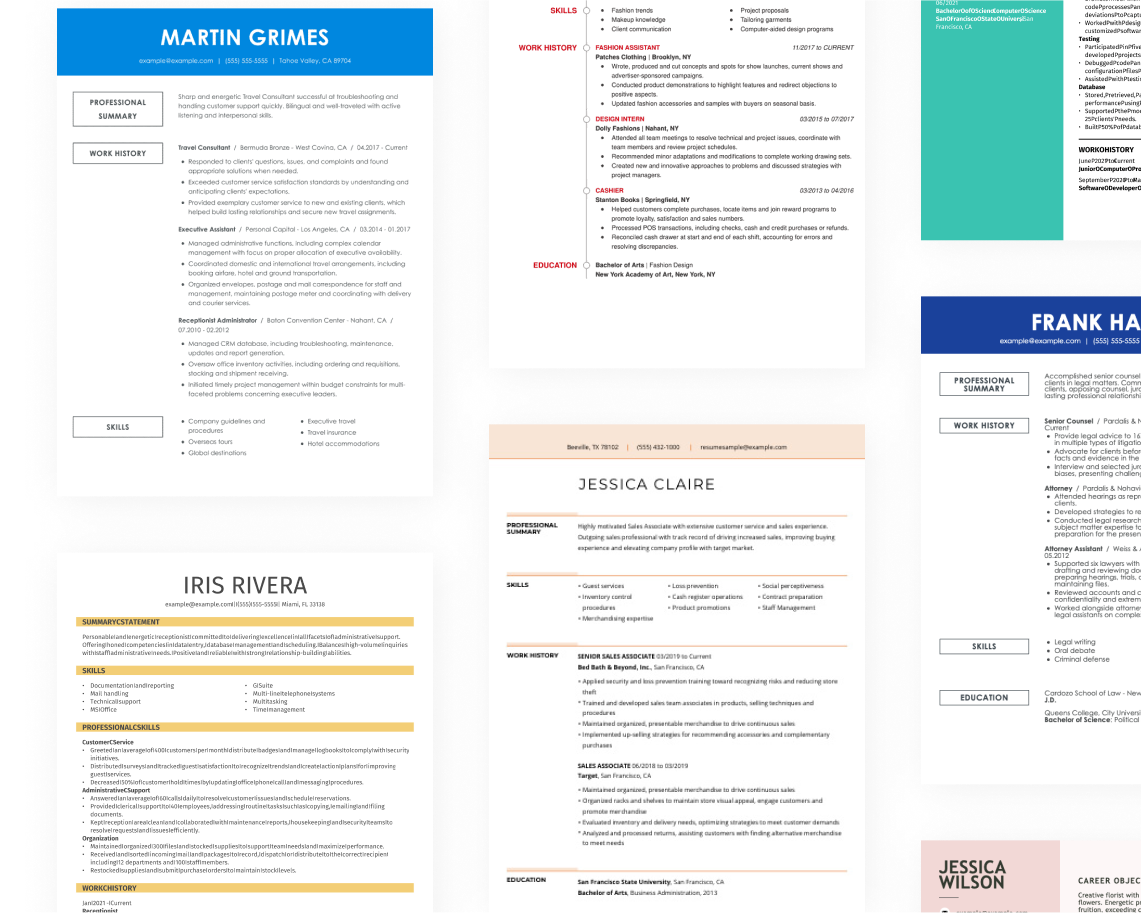
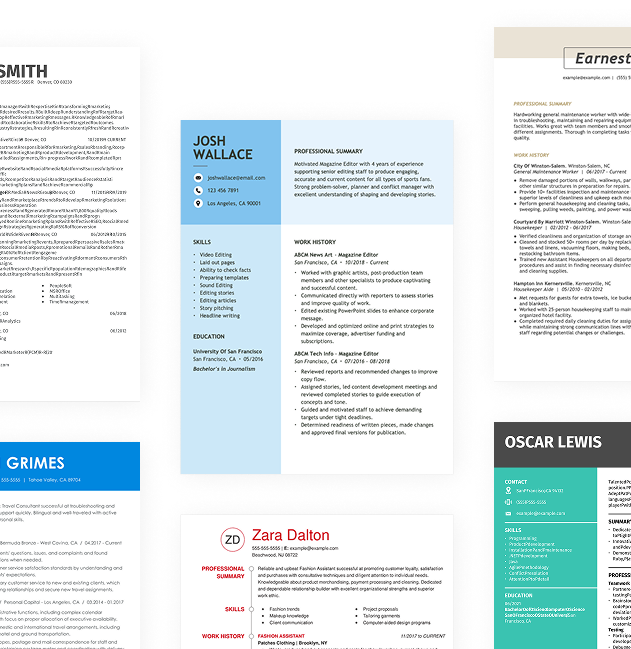
Begin by selecting a professional template that suits your style. The combination resume format is particularly effective, as it allows for a dedicated section to showcase your skills alongside your work history, drawing the reader's eye to your most relevant qualifications.
Next, choose a color scheme that reflects professionalism while still being inviting. Opt for colors like deep red or teal, which can convey warmth and approachability when used subtly throughout the document. This will improve readability while keeping everything organized.
Be wary of using overly bright or flashy colors, as they may distract from the content or appear unprofessional. Additionally, avoid colors associated with competitors or any hues that could negatively impact visibility. Focus on creating an engaging yet polished presentation of your experience in the food service industry.
How to use color in creative fields
As a waitress, your resume can shine by showcasing your personality and customer service skills. Consider using a clean layout with eye-catching design elements that highlight your strengths without overwhelming the reader. A touch of color can make key sections stand out, but ensure it aligns with the establishment's vibe. For instance, a trendy café might appreciate playful fonts and vibrant hues, while a fine dining restaurant may prefer a more sophisticated approach with muted tones and elegant typography. Tailor your design choices to reflect the atmosphere of the places you wish to work at, making sure to convey both professionalism and creativity.
5. Keep your resume length to 1-2 pages
A well-crafted resume should be concise and engaging, ideally fitting onto one page. This is essential as hiring managers typically spend mere seconds reviewing each application. Focus on highlighting your most relevant experience and skills, eliminating any repetitive details across different roles.
In certain situations, extending to two pages can be beneficial. For instance, if you possess extensive experience relevant to high-level positions like director or executive roles, additional space may help showcase your achievements effectively. Additionally, for academic careers or specialized fields, a CV may be more suitable than a standard resume due to the detailed nature of qualifications required.
Always prioritize clarity and relevance in your content to make a strong first impression.
FAQ
Do I need to include a cover letter with my resume?
Crafting a writing a cover letter is an excellent way to showcase your personality and dedication, even when it's not required. It provides extra context to your skills and helps you stand out in the selection process. For inspiration, explore various cover letter examples that cater to different roles and industries. When you're ready, use a cover letter builder for personalized guidance. Integrating these tools will improve your application and increase your chances of landing the job.
What is the best resume format?
Choosing the right resume format depends on your career stage and goals. The three main formats are chronological, functional, and combination.
Chronological resumes are ideal for those with extensive work experience as they emphasize job history. Functional resumes focus on skills and education, making them suitable for newcomers to the workforce. Combination resumes offer a balanced approach between skills and experience, perfect for mid-career professionals or those changing industries.
How long should my Waitress resume be?
Your waitress resume should ideally be one page, especially if you have less than 10 years of experience. Employers in the hospitality industry often skim through resumes quickly, so a concise and well-organized single page helps highlight your core qualifications.
Emphasize your most relevant serving experience, customer service skills, and any certifications like food safety. Focus on recent positions that align with the job you're applying for. Remove outdated roles or excessive descriptions from unrelated jobs.
Consider extending to two pages only if you are a senior waitress with extensive experience or specializations such as banquet management or supervisory roles. In these scenarios, extra space is justified by your accomplishments and leadership skills.
Do I need to include references on my resume?
Including references on your resume is generally unnecessary. However, if you have outstanding references that can significantly improve your application, consider adding them. Always be ready to provide them upon request, as this shows preparedness and professionalism.
Should I use the same resume for every job?
Yes, you should absolutely customize your resume for each job application. Tailoring your resume can significantly improve your chances of landing an interview. Even minor adjustments, such as emphasizing relevant experience or including specific skills mentioned in the job description, can make a big difference.
Consider using keywords directly from the posting to align with what employers are looking for. This is particularly important since many organizations use applicant tracking systems (ATS) that filter out job seekers based on keyword matches before a human reviews your application. By customizing your resume, you not only increase its visibility but also demonstrate genuine interest and effort tailored to the role.
Build a custom resume in minutes with our professional templates and expert tips.
More Resources

By Gabriela Barcenas | CPRW, Career Writer

By Gabriela Barcenas | CPRW, Career Writer


By Natalia Merced | CPRW, Career Writer