
-
-
Sort through our administrative resume examples to see what works best for you.
-
Our sales resume examples can help you write the best possible resume.
-
Explore our food service resume examples to show your skills effectively.
-
Start crafting your job-winning resume with our teaching resume examples.
-
-
-
Use our administrative cover letter examples for ideas on writing your own.
-
Use our sales cover letter examples to effectively show your sales accumen.
-
Write your job-winning cover letter following our nursing cover letter examples.
-
Learn to tell your story in education using our teaching cover letter examples.
-



- Our customers have been hired by*
-

More School Librarian Resumes
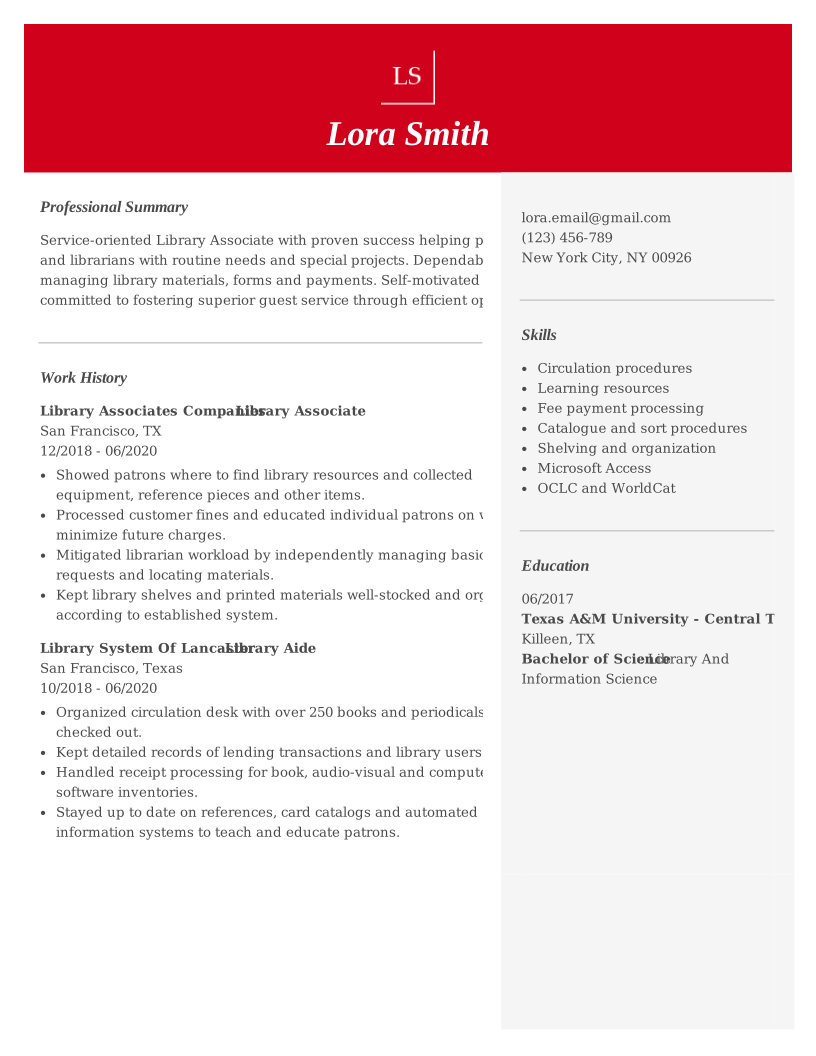
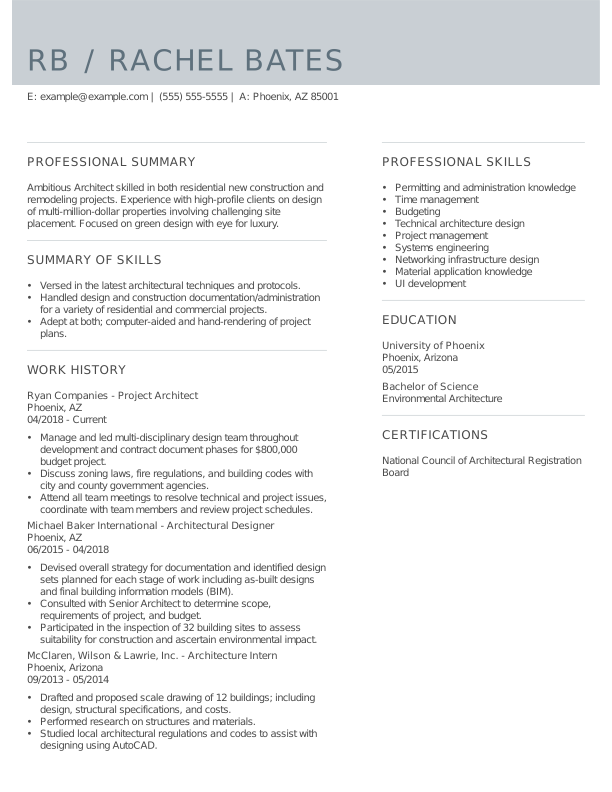
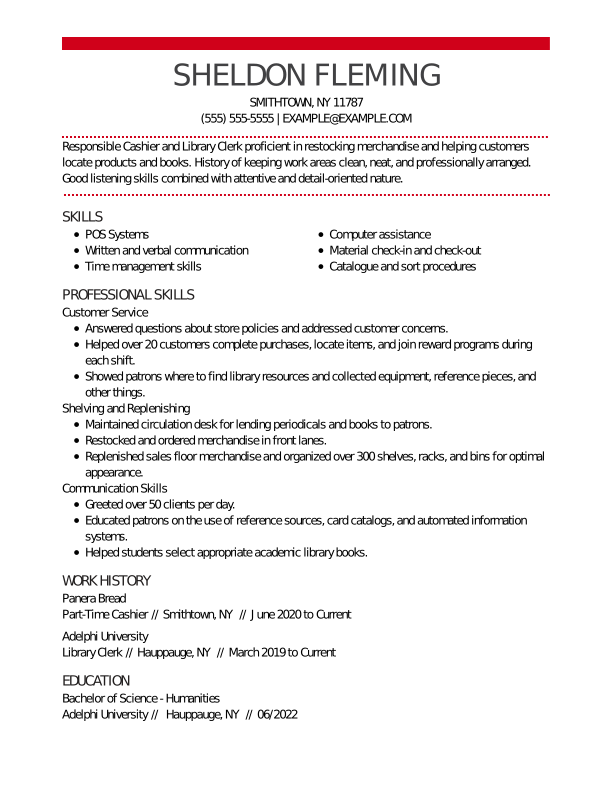
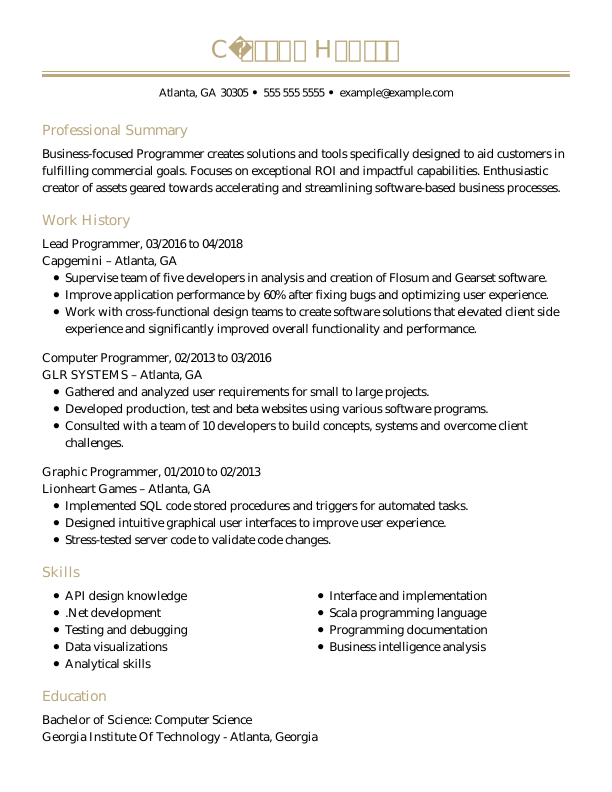
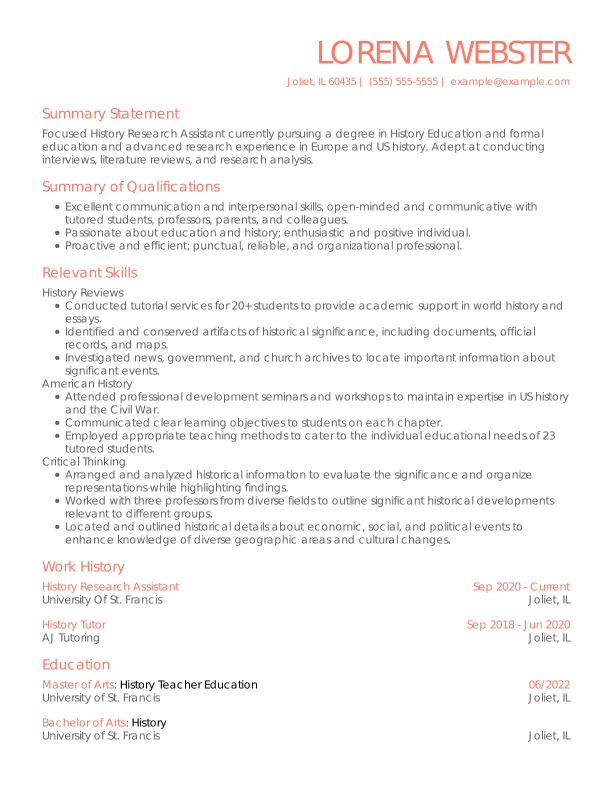
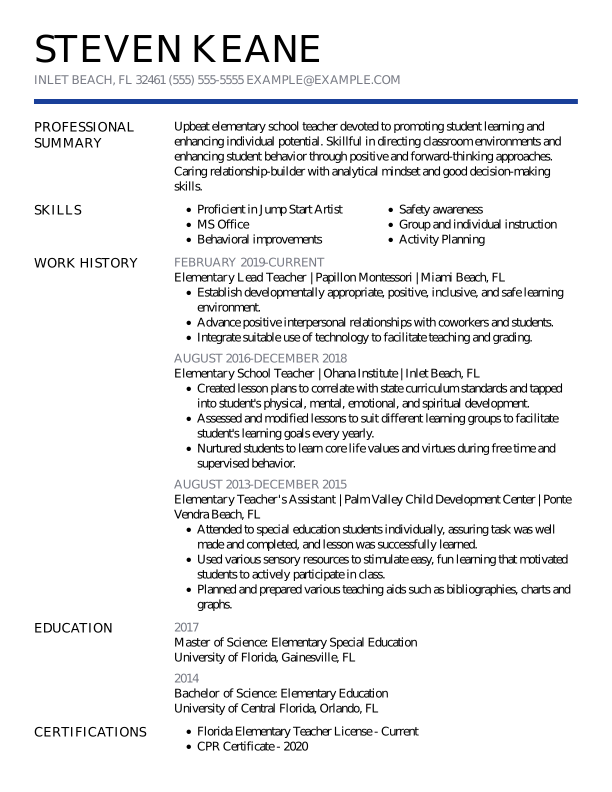
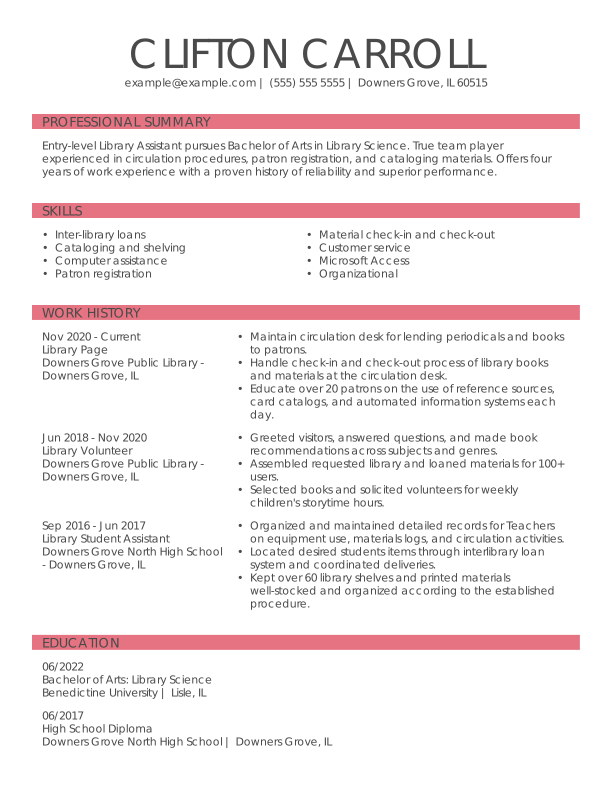
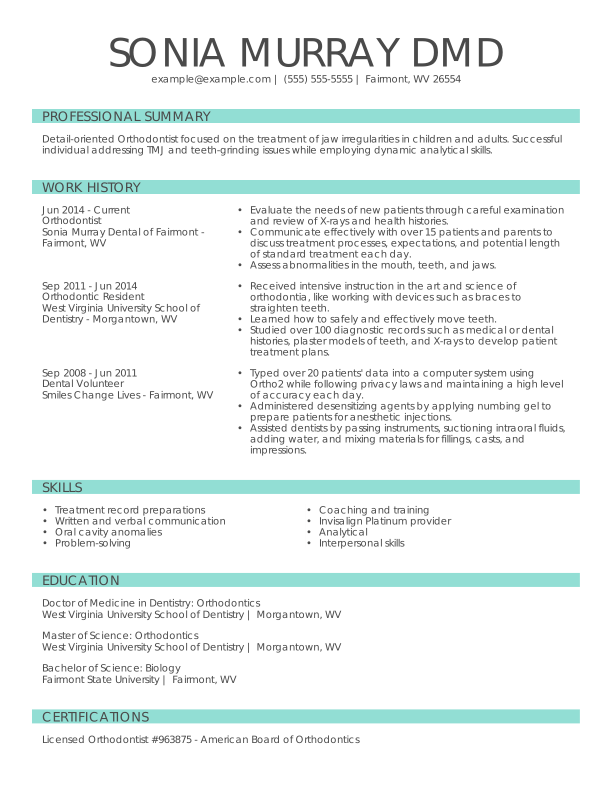
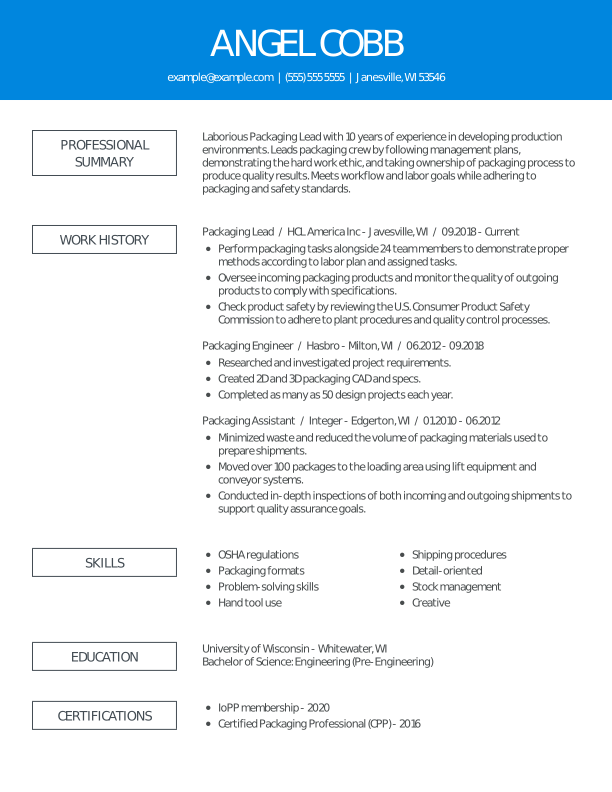
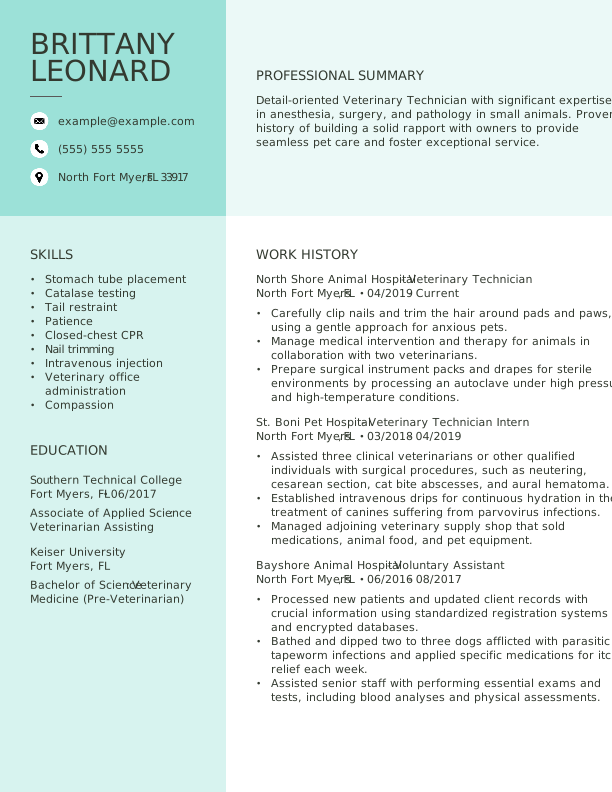
Use these School Librarian samples as a guideline or visit our extensive library of customizable professional resume templates.

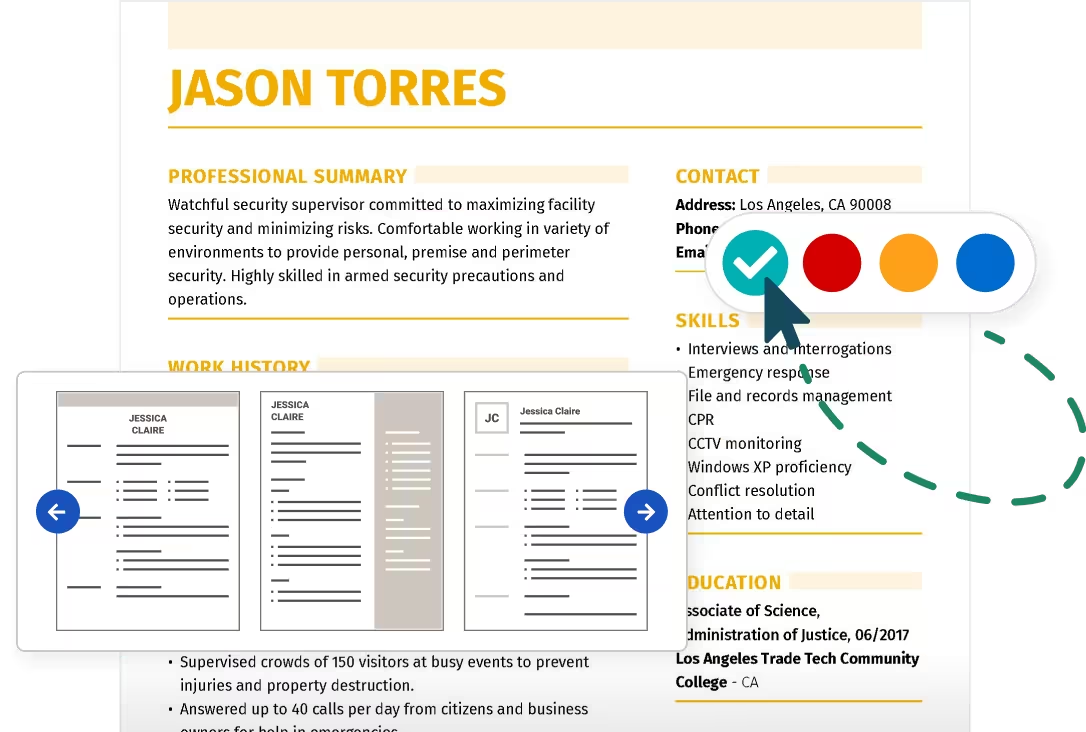
Select

Customize

Download
Looking for cover letter ideas? See our sample School Librarian Cover Letter.
Find out what is the best resume for you in our Ultimate Resume Format Guide.
Additional Library Museum Resume Samples
School Librarian Resume Samples
No results found
0-5 years of experience
Organized the removal and restoring 100% of library materials in its new location in a timely manner, reducing the need for additional staff support while establishing an attractive and easily accessible library system.
- Created and maintained a manual card catalog for all grades.
- Computerize and inventory all library material in excel form.
- Assist faculty, staff, and students when needed.
- Planned and organized the operation of fundraisers.
- Prepared and served lunch for staff and students.
- Implemented the foundation for the IRIS and SIS computer information program.
0-5 years of experience
Provided extensive instruction for students and staff in the use of print and electronic materials and information literacy skills
- Consistently promoted literacy and overall enjoyment of reading
- Organized, managed, and maintained two fully operating media centers each containing over 15,000 materials, one media assistant, and over 600 student users
- Independently controlled the media budget, selected appropriate materials, made purchases, and processed new items into the existing collection
- Served on multiple school-based and district-wide committees
- Created a partnership with the local, public library system and accessed greater amounts of resources available for our students and staff
0-5 years of experience
Improved efficiency by developing effective systems for cataloging, organizing, and information location for materials and resources.
- Achieved common goals for student success by developing relationships and collaborating with teachers and other staff.
- Developed programs that aligned with school objectives such as educational programs, special events, and activities.
- Doubled participation in reading programs such as Read Across America and Accelerated Reader
- Engaged students and educated staff by promoting library services such as databases and e-books.
0-5 years of experience
Taught information literacy lessons to 9th through 12th grade learners in all subject areas
- Designed and implemented an on-going flow-analysis study of library and technology usage
- Collection development of audiobooks and survey of various playback technologies
- Developed pathfinders to aid research topics and shared as wikis on the library home page
- Managed and maintained library web pages and electronic database subscriptions
0-5 years of experience
Introduced different cultures to second grade students through art, music and other creative activities.
- Coordinated after-school tutoring program for five to 15 from grades K-6.
- Arranged books and software for the library, monitored and tracked reading levels for students.
- Filed, sent weekly packets to students, answered phone and completed other tasks as needed.
0-5 years of experience
- Teaching 6th-12th grade art classes in a Christian centered environment
- Developed and implemented various lesson plans using age appropriate material
- Achieved student participation by incorporating “real-life” examples to the material
- Organized and maintained library for population of nearly 500 students
0-5 years of experience
- Inventoried, classified, and catalogued educational material/media.
- Arranged materials for maximum accessibility.
- Managed materials in a well-organized manner.
- Established library media regulations and communicated them to students and faculty.
- Conducted an inventory of materials and equipment to ensure accurate records.
0-5 years of experience
Instructed students in research methods and literacy skills – information, media, visual, digital, and technology.
- Collaborated with teaching staff to design and teach learning experiences that create effective users of ideas and information.
- Developed, evaluated, and inventoried library collection.
- Supervised student library aides and evening library assistant.
0-5 years of experience
- Engaged 5th grade students in standards-based Language Arts and Social Studies curriculum.
- Evaluated students using formal and informal assessment tools to formulate differentiated instruction.
- Maintained school library and designed thematic author studies.
- Assisted students with outside problems that interfered with their educational goals.
0-5 years of experience
Provided general and specialized English courses one-to-one and to groups
- Instructed professionals as well as young learners from elementary school to university
- Designed programs and selected course materials appropriate for each learner or group
- Acted as school librarian which included managing orders and inventory
0-5 years of experience
Utilized various techniques to improving students’ academic success
- Counseled students in matters of problem solving and a variety of social and personal issues
- Coached Judo Club, leading students to judo cup finals
- Managed financial accounting for eighth grade
0-5 years of experience
Established and developed school’s first library
- Performed all day-to-day library functions including: reference, circulation, collection development, curriculum support, and bibliographic instruction
- Investigated evaluated and purchased automation software
- Purchased books/resources from local and international sources
0-5 years of experience
Provided reference help and collection development for grades 6-12
- Created interest and patronage via innovative library promotions, such as book sales and arts events, and marketed events on behalf of library
- Designed promotional programming and materials including flyers, brochures, and bookmarks
- Designed instructional material and taught classes in paper writing, literature, MLA citation, online resources and databases for students
- Worked with IT professionals and school administration to select best-fit library database and software system, implemented changeover to new system
- Hosted introductory database workshops (Proquest, Ebsco) for staff and faculty
0-5 years of experience
Collaborated with teachers to create lessons and improve classroom management
- Managed multiple budgets for purchasing and receiving
- Cataloged metadata for items within the library
- Implemented an electronic system to track library data and usage statistics
- Created a social media platform to reach users in new ways
- Networked with library stakeholders to create a volunteer network
- Developed and delivered training to volunteers in the library
- Designed innovative library displays to highlight different features of the library
6-10 years of experience
Purchased Destiny Library Manager
- Cataloged and processed more than 5,000 library books
- Promoted and facilitated voting in the Louisiana Young Reader’s Choice Award Program
- Applied for and received a $5,000 grant from Laura Bush’s Foundation for America’s Libraries
- Ran a Scholastic Book Fair
- Ran a Cavalier House Books Book Fair
- Ran a Used Book Sale
0-5 years of experience
Story time for students in preschool, prekindergarten, kindergarten, and First through Fourth grades
- Library skills classes for students in First through Fifth grades
- Reading clubs for students in Second Grade, Fourth Grade, and middle school grades
- Collaboration with classroom teachers integrating library skills with curriculum Kindergarten – Eighth grades
- Created and implemented Bay Area Association of Independent Schools Battle of the Books program
0-5 years of experience
Used Librarian Edge for checking-in and checking-out various library materials to students and faculty and cataloging.
- Promoted literacy through Story Time for primary grades.
- Responsible for ordering new books and other print resources for the library.
- Created Accelerated Reader quizzes for certain library books.
0-5 years of experience
Provide students from kindergarten to 12th grade with additional literacy support
- Built meaningful relationships with parents, students, and staff in order to ensure that student literacy was at its peak
- Wrote grants to get technology and new literacy tools for the students and staff
- Used computer software L4U to inventory books
0-5 years of experience
Manage all functions of multi-media library including literature selection, circulation and cataloging
- Teach Library Information Skills classes for grades K-5
- Responsible for retrospective conversion of complete collection
- Submitted grants to local and national foundations. Successfully secured Laura Bush Grant for School Libraries.
0-5 years of experience
Worked directly for the Guidance Counselor. Performed various counseling and administrative task. Reported to the Principal and Vice Principal.
- Assisted with the creation of the master schedule and the individual student’s schedules. Assisted with student schedule requests and schedule changes.
- Used Excel and PowerSchool to create and analyze reports for Counseling Dept., Special Education, and the student body as a whole.
- Other various tasks: Managing Career Cruiser, maintained school records and files, entered grades, and grade changes. Created and processed all transcript requests, worked directly with college admissions reps and military reps. Advised students on college and career choices.
- Coordinated and managed the McKinney-Vento Homeless Student Program for the high school. Worked directly with homeless students to make sure that their basic needs were immediately secured. Provide them with gas cards, food, free breakfast and free lunches, clothing, hygiene products, prom tickets, graduation invites, caps and gowns. It was my goal to help give these students the same high school experience that other students received. This also included extra long-term college and career assistance and guidance.
- Managed and supervised high school students in tutoring and teaching programs (TLC class).
- Trained and managed high school students in Apex online learning for credit recovery.
- Managed the Middle School Library daily. Checked out books, checked in books, enforced late fees assisted and supervised students with media technologies.
0-5 years of experience
Entered new books into the library database for circulation.
- Responsible for checking out books to students.
- Compiled the notification list of students with overdue books.
- Collaborated with classroom teachers to implement research and study sessions.
0-5 years of experience
- Managed school library in PK-5 school serving 800+ high-needs students.
- Taught information literacy skills using both print and non-print sources.
- Developed collection, weeding outdated materials and bringing in bilingual resources.
- Taught literature appreciation, including story hours in both English and Spanish.
- Responsible for ILL and teacher reserves, reference, cataloging and circulation.
0-5 years of experience
Receiving of all inventories and imputing them into the computer catalog system.
- Shelving of books according to subjects and majors.
- Checking in and out all materials, books, videos, CD’s, tapes, periodicals, magazines, e-books etc.
- Book repair, cataloging all books in library
- Ordering of all supplies needed for patrons, aiding with library computer system and monitoring computer usage.
- Making calls for late items, checking in all item returned to drop box, updating cataloging system to suit needs of college.
0-5 years of experience
- Assisted students in finding books based on subject and class
- Assisted students with reference questions and processing checkout
- Assisted with internet research and school database
- Reshelfed books that have been taken out or misplaced
- Ensured that books were organized according to the system in which the library used
6-10 years of experience
- Provide class instruction including appreciation of literature, use of online library catalog, research, location and access of library materials. Utilization of Web 2.0 tools.
- Collaborate with classroom teachers. Reinforcement of classroom curriculum and PSSA skills.
- Work daily with all inclusive classes and ESL students.
- Manage circulation services desk, volunteer student library assistants, collection development, cataloging and AV equipment.
- Set up and manage yearly Scholastic Book fair and served as school coordinator of RIF (Reading is Fundamental) program.
- Order and distribute books school wide, work with business sponsors and organizing volunteers. Organized author visits.
- Establish and implemented a school AAA safety patrol program and manage a school Weather Bug station.
- Created summer reading lists for K-5, assisted in creating and implementing a school wide incentive program for all grades. Served on a principal’s cabinet committee, school health and wellness committee.
0-5 years of experience
Manage all functions of multi-media library including literature selection, circulation and cataloging
- Teach Library Information Skills classes for grades K-5
- Responsible for retrospective conversion of complete collection
- Submitted grants to local and national foundations. Successfully secured Laura Bush Grant for School Libraries.
0-5 years of experience
Responsible for all facets of library functions such as collections; check out, circulation and inventory.
- In depth knowledge of methods to locate resources for students.
- Guide students in the selection of reading and research materials.
- Prepare and provide a schedule to educators and students with available access times to the library media center.
- Able to work on Destiny system and run reports from Destiny.
- Responsible for the collection of money’s for lost or damaged books.
- Promote reading and the use of library programs as an integral part of the school, including the organizing and implementing of such library related activities such as book fairs.
0-5 years of experience
Serve students and faculty maintaining and increasing awareness of library resources.
- Provide story time and library activities weekly.
- Teach fundamental library skills, research procedures, and book care.
- Collaborate and assist teachers with classroom projects.
- Assist students and teachers with appropriate book selection.
- Acknowledge, comply and endorse circulation policies and library rules.
- Experience with Athena system.
0-5 years of experience
Support students with learning disabilities according to their Individualized Education Plans (IEP) via 1:1 and small group instruction using a variety of programs such as Read Naturally and Steck-Vaughn Spelling.
- Create and teach engaging lessons on Literature and Social Studies classes in absence of classroom teacher.
- Collaborate with classroom teacher to maximize student potential.
- Administer and score assessments including the Word Identification and Spelling Test (WIST), Comprehensive Mathematical Abilities Test (CMAT), Qualitative Reading Inventory (QRI), Gray Diagnostic Reading Test (GDRT-2), Test of Word Reading Efficiency (TOWRE) and the Test of Written Spelling (TWS).
- Consult with teachers regarding writing and editing of IEPs and report cards for students.
- Research best practices and curriculum to use with students with mild to moderate disabilities.
- Track behavior data within the classroom through the use of the school-wide reminder, warning, consequence system.
- Manage school library by ordering and entering new books into the school database, categorizing, and scheduling class time with teachers and students.
6-10 years of experience
Prepared statistical reports and lesson plans.
- Maintained records of student grades and progress for Grades 4 – 8 using Excel.
- Typed and filed catalog cards for new materials.
- Typed worksheets and instructional materials for students.
- Interacted with students during library classes and circulation of materials.
0-5 years of experience
Instruction of Credit Recovery
- Interact and communicate daily with administration, teachers, parents, and students
- Researched state library resources, selected, and purchased necessary materials for school district
- Catalog all purchases for library and maintain organization of entire unit
- Monitor study hall to provide security and supervision for students
- Student Council Advisor
0-5 years of experience
Assist and help students locate books and articles
- Stock books and audio tapes
- File and Process paper work for manager
- [company name] Honors Program January-May 2009
- First Aid, CPR Certificate January-May 2014
10+ years of experience
Provided a range of front-line lending services, including issue and discharge of books, took fines and fees, dealt with enquiries related to overdue books and fines, and other lending matters, referred the more complex of these to senior personnel.
- Organized the work of Relief personal on duty and reported as necessary to the principal.
- Received members queries, controlled access to the Library, dealt with exit barrier incidents and general enquiries related to the Library.
- Undertook a variety of activities within the Library to include dealing with teacher’s book requests, processing student misuse of library, shelving and shelf-checking, recording lost property and dealing with routine photocopier problems.
- Searched databases in order to locate and access material held by the Library or other institutions to assist academic staff, researchers and other students with their studies and research.
- Offered general advice to library users on library materials to enable them to pursue their study/research/teaching effectively. This involved answering ad hoc enquiries and participating in organized enquiry service.
- Carried out a range of financial management duties including the compromise with library funds, use of the Library’s financial management system for purchasing and sales invoices.
0-5 years of experience
- High School Library Media Specialist to 48 faculty and 490 students, grades 9-12
- Instructed 9th grade English students in Library and Research Skills
- Junior class advisor
0-5 years of experience
Catalogued incoming and outgoing material.
- Provided assistance to library patrons.
- Diagnosed minor laptop/printer/scanner hardware and software
- Provided starting research materials to student.
- Supplied recommendations and reading lists.
- Weeded out outdated material.
- Set up displays for special events.
0-5 years of experience
- Math and English tutor
- Youth supervisor Las Vegas, Nevada 2004-07
- Newspaper sales person
- Trained cheerleaders in dance and step moves
0-5 years of experience
Special blocks per day (reading aloud for K-3rd grades; assigns relevant research topics for fish bowl
discussions with 4-8th graders, oversees the use of computer lab located in the library.
- Manages checkout for grades K-8th throughout the day.
- Administers Dibels benchmark and progress monitoring assessments.
- Deliver specific reading interventions to small groups.
0-5 years of experience
Implemented Dewy Decimal System
- Kindergarten – 2nd grade Library Science
- Organized &Inventory 6000+ Books
- Kept up with the Library of Congress for the latest educational books.
- Organized Christmas Care Packages for the troops overseas.
- Organized Homecoming Parade for our School.
0-5 years of experience
Oversee the operation of the school library and teach information literacy to students
- Maintain the library resources and catalog
- Advise and monitor students in the use of library materials and resources
- Identify and adapt teaching resources to meet the varying children’s needs with different learning abilities, learning agilities, and special education needs
10+ years of experience
Proficient on suite of software & computer programs
- Special Education Curriculum Development
- Variety of classrooms/subjects taught
- Six Traits of Writing Specialist
- ParaEducator Certified
- Occupational Therapy Assistant
- Distinguished Service Award recipient
0-5 years of experience
Maintain a friendly and inviting learning environment
- Inventory and weed the collection
- Provide instruction for students on search strategies and evaluation techniques so they become effective users of information
- Encourage the love of reading for enjoyment
- Assist teachers by helping their students locate information necessary to complete classroom tasks.
- Assess the collection and formulate a collection development plan that will benefit the students and support the teachers and the curriculum needs
- Use cataloging tools, weeding schedules, and national standards to maintain a current and useful collection
- Provide access to instructional materials and various pieces of equipment
- Increased the funds that were allocated to purchase books by several thousand dollars by weeding approximately 5,000
- Rearrange the collection so it was more user friendly
0-5 years of experience
I ran the library and media center.
- Instructed students on the use of online databases and printed materials
- Ran the literacy program
- Tutored students
- Taught important research methods and skills
0-5 years of experience
Instructed students on the Dewey Decimal System.
- Assisted students in checking out and returning books.
- Read books and articles with students.
- Assisted students with research materials.
0-5 years of experience
Instructed students on the Dewey Decimal System.
- Assisted students in checking out and returning books.
- Read books and articles with students.
- Assisted students with research materials.
0-5 years of experience
Assisting students with research of various topics
- Computer aide to students and faculty including assistance with Microsoft Office, PowerSchool and Excel
- Attendance recording and tracking for daily study halls within the library
- Maintenance of library inventory
0-5 years of experience
- Teach Kindergarten and First Grade library skills
- Keep inventory of books and media supplies in the library. Assist the students in finding the proper resources for various assignments and projects.
- Assist the multi-grade teacher during morning classes. The class consisted of 4 grade-6 grade students who need extra assistance with school work. Work cooperatively with the teacher on lesson plans and various class activities. Use modified instruction to teach various math and reading concepts.
10+ years of experience
- Initiated the Music Classes with curriculum in line with Red Wing Public Schools
- Wrote and Directed yearly Christmas Concert
- Taught Kodaly based curriculum using and the First Steps in Music
- School Liturgist
- School Librarian
- Purchased books to enhance teachers curriculum
- Cataloged and processed all books coming into the library
- Weeded the library with assistance of Public School Media Specialist
- Taught basic skills; finding books, Dewey Decimal System, parts of a book, basic research, etc.
6-10 years of experience
Process and distribute new books for entire five-school district
- Supervisor of Elementary Librarians
- Inventory all electronics in district
- Run reports to maintain records
6-10 years of experience
- Responsible for the development, processing, and management of the library collection
- Create and present library instruction classes to students via collaboration with faculty
- Operate SMART Board technology to facilitate library instruction
- Develop students’ information skills through individual research assistance
- Effectively use online databases and computer resources to locate, evaluate, and interpret information to meet information needs
- Enhance library resources utilizing excellent collection development skills
- Maintain budget for the acquisition of library supplies
- Update library and faculty assignment web pages
0-5 years of experience
- Textbook Manager
- Taught Library classes
- Technology Liaison
- Assisted Teachers in Reading Block
- ERO Registrations
- School Library Administrator


Library Museum Cover Letter Examples

Gabriela Barcenas
CPRW, Career WriterGabriela is a Certified Professional Resume Writer (CPRW) and member of the Professional Association of Resume Writers & Career Coaches and has worked in the career industry for more than seven years providing comprehensive guidance on resume writing and job search strategies for individuals across diverse career paths. She holds a bachelor's degree in English and creative writing and is passionate about helping job seekers present their professional story effectively through well-crafted resumes and cover letters that demonstrate their value, skills, and experience to potential employers. Some of her work has been featured on JobHero's resume examples career center.
