-
-
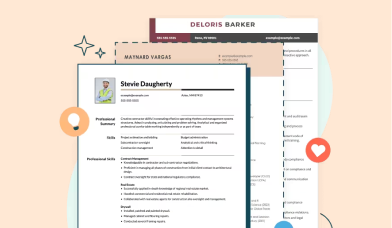
Sort through our administrative resume examples to see what works best for you.
-
Our sales resume examples can help you write the best possible resume.
-
Explore our food service resume examples to show your skills effectively.
-
Start crafting your job-winning resume with our teaching resume examples.
-
-
-
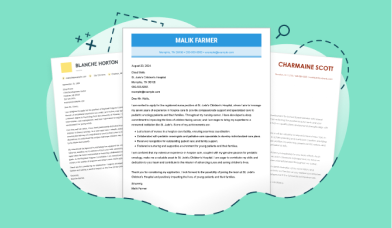
Use our administrative cover letter examples for ideas on writing your own.
-
Use our sales cover letter examples to effectively show your sales accumen.
-
Write your job-winning cover letter following our nursing cover letter examples.
-
Learn to tell your story in education using our teaching cover letter examples.
-






- Our customers have been hired by*


Entry-Level Building Inspector Resume
This resume example highlights relevant skills and accomplishments important for recent graduates and career changers aiming to excel in the building inspection field.

Why this resume works:
A skills-focused resume format is particularly beneficial for new building inspectors, those returning to the field, or career changers. This approach allows them to showcase essential skills such as building code compliance and risk assessment while downplaying gaps in work history.

Mid-Career Building Inspector Resume
This building inspector resume example is perfect for professionals with experience aiming to advance their careers, showcasing a strong track record in compliance and inspection process optimization.
Why this resume works:
Mid-career building inspectors can demonstrate their achievements by noting a 15% reduction in inspection errors through protocol enhancements or saving $10K annually by implementing new compliance measures. They may also highlight improving reporting accuracy by 30%, leading to more efficient project completions and improved safety outcomes.

Experienced Building Inspector Resume
This building inspector resume example is tailored for experienced professionals ready to advance into leadership roles, showcasing significant achievements in safety and compliance.
Why this resume works:
Leadership roles and advanced certifications underscore the ability to manage complex scenarios.

Looking for something else?
Create Your Standout Resume Today
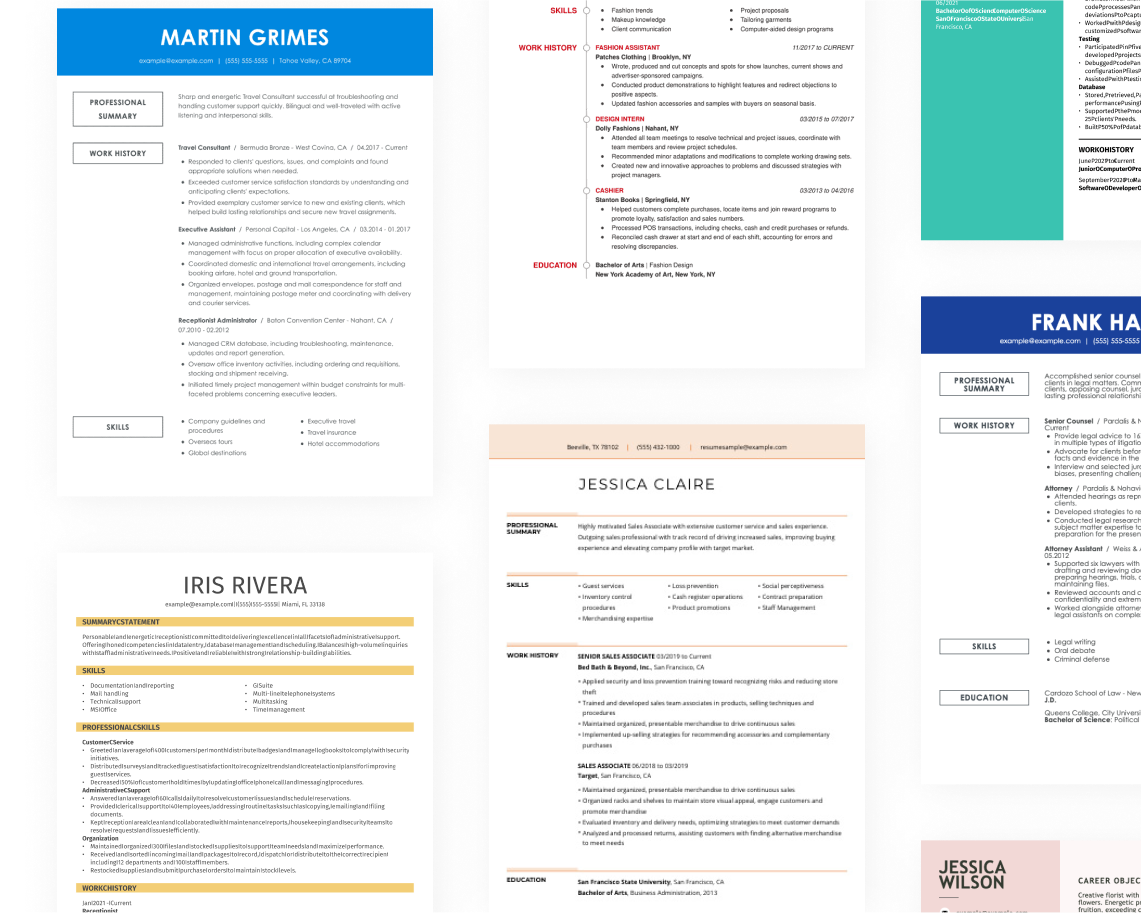
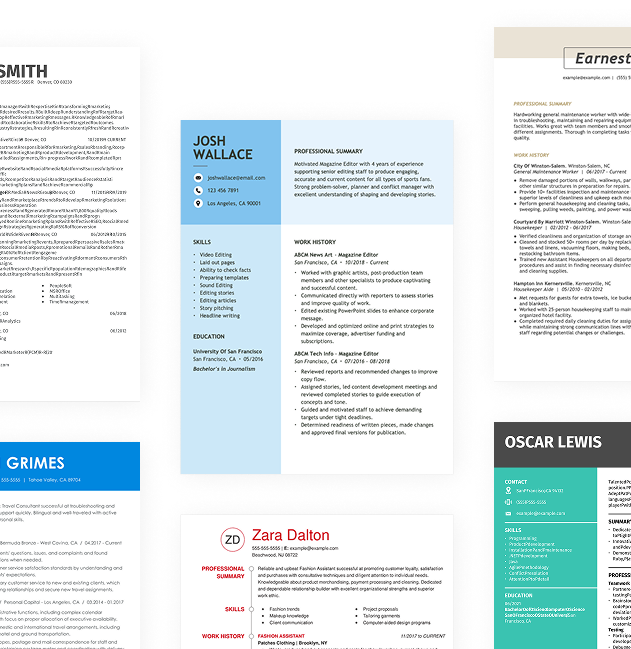
Use our resume examples for inspiration on organization, color, and design—and learn how to effectively summarize your building inspector skills and experience with confidence.

How to Write a Building Inspector Resume
Understanding how to write a resume helps you showcase your unique value as a building inspector, highlighting not only your qualifications but also the skills and experiences that set you apart.
In the upcoming sections, we'll outline each step in crafting your resume, from including essential contact information to detailing work experience and education. You'll also find resume tips to ensure your resume stands out in the competitive field of building inspection.
Start with your contact info
The header section contains all your contact information and should be prominently located at the top of your resume. Start by placing your name in a bold, larger font to ensure it captures attention. This visual emphasis is important for making a strong first impression on recruiters reviewing numerous applications.
Include key details such as your email address, phone number, and general location. While full addresses are not necessary, providing your city, state, and ZIP code helps confirm your suitability for the job and is beneficial for applicant tracking systems (ATS) that scan resumes for important data.
Additionally, consider including links to relevant certifications or an online portfolio if they improve your application. For a building inspector role, showcasing training or professional licenses can highlight your qualifications and commitment to maintaining industry standards, giving you an edge over other job seekers in the selection process.
Write a strong professional summary
A professional summary serves as your introduction on a building inspector resume, positioned directly beneath your contact details. This section is where potential employers get their first glimpse of who you're as a job seeker.
In this summary, include key qualifications and relevant skills while demonstrating genuine interest in the role. Tailoring your summary for each application helps to highlight how your experience aligns with the specific needs of the employer.
Consider reviewing various resume summary examples to gain insight into effective formats and content that resonate well within the industry. These resources can guide you in crafting a compelling narrative that stands out to hiring managers.
Strong vs weak building inspector summary
Strong

"Dedicated and detail-oriented building inspector with over six years of experience in residential and commercial property assessments. Proven track record in identifying structural issues and ensuring compliance with safety codes, resulting in improved project quality and reduced risk for homeowners. Skilled in report writing, communication, and collaborating with contractors to achieve successful outcomes. Certified by the International Code Council (ICC) as a Residential Building Inspector."
Why this example works: This summary effectively portrays the job seeker's experience, emphasizes measurable accomplishments, highlights key skills relevant to building inspection, and uses terminology commonly found in job descriptions for this role.
Weak

"Building inspector seeking a position to use my skills and contribute to construction projects. I have experience in the industry and enjoy collaborating with others."
Why this example doesn't work: This summary is vague and lacks specifics about the applicant's technical abilities, relevant experience, or achievements that are critical for a building inspector role.

Highlight key interpersonal skills like attention to detail and effective communication on your building inspector resume. Include specific examples from past inspections or projects where these abilities led to improved compliance and collaboration with clients or contractors, demonstrating your talent for fostering positive relationships in the construction industry.
Share your work history
Your work history is, arguably, the central and most important part of your resume. List your most recent roles in reverse chronological order. This approach allows hiring managers to quickly assess your qualifications and see your career growth over time.
When listing your work history, focus on:
- Job title and company name
- Dates of employment (month and year)
- Key responsibilities (What did you do on a daily basis?)
- Achievements and contributions (What did you accomplish? Did you improve processes, reduce costs, or increase efficiency?)
- Measurable results (Use numbers when possible, such as "reduced inspection discrepancies by 30%.")
Finally, remember to incorporate action verbs to energize your descriptions and emphasize your impact.
Strong vs weak building inspector work history
Strong
Building Inspector, City of Springfield
2018–2023
- Conducted over 300 inspections for residential and commercial properties, ensuring compliance with building codes and safety regulations.
- Identified structural deficiencies and provided detailed reports that led to a 20% increase in compliance rates within the first year.
- Collaborated with contractors and architects to facilitate timely project approvals, reducing average permit processing time by 15%.
Why this example works: A strong work history section for a building inspector highlights specific inspections conducted, compliance achievements, and collaboration efforts. It should include quantifiable results that showcase technical knowledge and an ability to lead initiatives effectively.
Weak
Building Inspector
Metro Construction Co.
- Checked buildings for compliance and wrote reports.
- Reviewed plans and provided feedback.
Why this example doesn't work: This entry is ineffective because it lacks specific details about the types of buildings inspected, the standards or codes applied, and omits employment dates.
To improve your visibility as a building inspector, add your resume to LinkedIn. Showcase your certifications and relevant experience in the summary section, and actively participate in construction industry groups for networking opportunities. This approach will attract potential employers looking for skilled professionals in building safety and compliance.
Highlight your key skills
The skills section of your resume is essential for demonstrating your qualifications as a building inspector. Here's a rundown of key skills and their significance in showcasing your expertise and value to potential employers:
- Soft skills are personal attributes that demonstrate how you collaborate with others, including attention to detail, communication, and critical thinking. Skills like problem-solving and negotiation are important for building inspectors because they ensure compliance with regulations and help foster positive relationships with contractors and property owners.
- Hard skills are specific technical abilities acquired through training and experience that are essential for a building inspector. Examples include blueprint reading, knowledge of building codes, inspection techniques, and familiarity with safety regulations.
- Building inspectors rely heavily on technical skills involving various tools and technologies essential for their role. This expertise includes using inspection software such as PlanGrid, operating measurement devices like laser distance meters, and navigating building code compliance systems, including ICC's codes.
For new building inspectors, placing your skills section near the top of your resume can highlight your capabilities despite limited experience. In contrast, experienced professionals should position their skills section after work history, allowing their extensive experience to speak for their expertise.
Top 15 skills for your building inspector resume
When crafting your resume as a building inspector, it's essential to highlight the right skills that reflect your expertise. Focus on mixing hard and technical skills with soft skills that showcase your ability to communicate and collaborate. Make sure to include transferable skills, which are valuable across various roles within the construction and safety industries.
Below is a list of the top 15 most popular skills for building inspectors. These skills are based on trends among JobHero users and can help you stand out during your job search.
Build your education section
The education section of your resume should reflect your experience level and the demands of the building inspection industry. For seasoned professionals with extensive experience, it's often best to minimize this section. You can place it lower on your resume or only include degrees that are specifically relevant to your current role. Emphasize your work history and practical skills instead.
Conversely, recent graduates or those transitioning into specialized areas such as environmental inspections should prioritize their educational background. Position this section near the top of your resume and include essential details like relevant coursework, certifications, and any hands-on projects.
Ultimately, tailor the education section to showcase how it complements your qualifications for the building inspector role, ensuring clarity and relevance throughout.
20 action verbs to add to your resume
Incorporating action verbs into your resume can greatly improve its strength by clearly communicating your experience and creating an engaging tone. These dynamic words capture attention and showcase your accomplishments.
When crafting your resume, prioritize action verbs that resonate with the building inspector role and align with key skills highlighted in job postings. This targeted approach reinforces your qualifications to potential employers.
- Inspected
- Reviewed
- Analyzed
- Verified
- Documented
- Advised
- Coordinated
- Evaluated
- Collaborated
- Assured
- Maintained
- Managed
- Communicated
- Facilitated
- Investigated
- Supported
- Directed
- Implemented
- Guided
- Educated
Consider additional resume sections
While your core resume provides the most critical information, adding targeted sections can showcase your unique qualifications. These sections help hiring managers quickly identify your expertise, certifications, and achievements beyond standard resume sections.
Here are optional sections we tend to see on building inspector resumes:
- Specialized inspections: Detail specific types of inspections you conduct (residential, commercial, structural) to highlight your expertise.
- Certifications and licenses: List relevant certifications such as ICC certification or state licenses that validate your qualifications.
- Continuing education: Highlight recent training courses or seminars that demonstrate your commitment to staying updated in building codes and standards.
- Project highlights: Describe notable projects you've inspected that showcase significant results or complexities.
- Professional memberships: Include memberships in organizations like the International Code Council or local building associations.
5 Tips for Formatting Your Resume
Proper resume formatting plays a key role in engaging recruiters while ensuring your application navigates ATS filters well. By using ATS-friendly resume templates, you can optimize your resume's layout and content, increasing the likelihood of capturing interest and advancing to the next stage in the hiring process.
1. Watch your line spacing and margins
Proper spacing helps your resume look clean and organized, making it easier for hiring managers to read. It’s essential to strike a balance between aesthetics and content density. Here's what works best:
- Keep margins between 0.5″ to 1.0″ for a tidy appearance.
- Use single spacing within paragraphs and bullet points for clarity.
- Increase the space to 1.5″ or double-space between sections to clearly define different areas of your resume.
2. Use a professional font
Choosing the right resume font is important for creating a professional impression. Opt for these refined fonts:
- Arial
- Helvetica
- Garamond
- Verdana
- Cambria
- Trebuchet MS
Consider using a slightly bolder or larger font for your name at the top to improve visibility and impact.
3. Organize your resume sections
A resume should be clear and straightforward. Use bullet points to convey your experience without overwhelming the reader. Begin each bullet point with a strong action verb that captures your responsibilities or achievements. For example, "Conducted thorough inspections to ensure compliance with building codes."
Highlight measurable results in your statements, such as "Identified safety hazards leading to a 30% reduction in violations during follow-up inspections." This method improves clarity and communicates your impact.
To improve compatibility with applicant tracking systems, use an ATS resume checker to confirm that your resume is formatted correctly and includes relevant keywords for building inspector roles, increasing your chances of being noticed by employers.
4. Use colors and design
Incorporating color and design elements into your resume can improve its impact and help you stand out as a building inspector. A well-structured resume showcases your qualifications while reflecting your attention to detail.
Begin by selecting a suitable template that aligns with your professional image. The combination resume format works particularly well for building inspectors, featuring both relevant skills and work history prominently. This format often includes a dedicated section for skills alongside job experience, making it easy for employers to see your qualifications at a glance.
Next, choose a color scheme that conveys professionalism and clarity. Consider using subdued shades like dark gray or deep green to maintain readability while adding visual interest. Use these colors in headers or section dividers for an organized look.
Be careful with bright colors, as they may detract from the content and hinder readability. Avoid any colors associated with negative connotations or competitors in the industry. Thoughtful use of design will ensure that your resume presents information clearly and leaves a positive impression on hiring managers.
As a building inspector, your resume should reflect your attention to detail and professionalism. While it might not be a canvas for creativity like other fields, you can still use clean layouts and subtle design elements to improve its visual appeal. Consider using clear headings and bullet points to organize information effectively. A professional color scheme can highlight key sections without overwhelming the reader.
For instance, if applying to a construction firm, opt for muted tones that convey reliability. Conversely, when targeting an innovative architecture firm, you might incorporate more modern fonts or accent colors that suggest forward-thinking. The goal is to ensure your resume communicates your expertise while aligning with the company’s values and culture.
5. Keep your resume length to 1-2 pages
Resumes should typically be one page long. This length is ideal because hiring managers often have limited time to review applications, making brevity important. Focus on showcasing your most relevant experience and skills that align with the job you’re seeking.
Include only the most significant positions you've held to avoid clutter. If you have extensive experience—over 10 years—or are applying for high-level roles, a two-page resume may be acceptable. In academic or research positions, consider using a CV instead of a traditional resume, as these formats allow for a more comprehensive overview of your qualifications and contributions in those fields. Remember, clarity and relevance are vital for making a strong impression.
FAQ
Do I need to include a cover letter with my resume?
Writing a cover letter is an invaluable step in the job application process, even if it's not explicitly required. It allows you to showcase your skills and personality, providing context that can make a strong impression on employers. By taking this extra step, you can differentiate yourself from other job seekers who may overlook this opportunity.
To kickstart your journey, explore our collection of cover letter examples for inspiration tailored to various roles. When you're ready to craft your own, consider using our Cover Letter Builder for structured guidance that simplifies the writing process.
What is the best resume format?
Choosing the right resume format depends on your unique career situation. The three main formats are chronological, functional, and combination, each serving different types of job seekers.
The chronological format is best for individuals with a solid work history as it emphasizes past positions. The functional format focuses on skills and accomplishments, making it suitable for recent graduates or those changing careers. The combination format mixes both approaches, offering flexibility for mid-level applicants or those looking to highlight specific skills alongside their experience.
How long should my Building Inspector resume be?
For building inspector resumes, keeping it to one page is often the best approach, particularly if you have fewer than 10 years of experience. Hiring managers typically sift through numerous applications quickly, so a concise and organized format highlights your essential qualifications effectively.
Emphasize relevant inspection experience, certifications, and technical skills that align with the job you're targeting. Trim away older roles or unrelated volunteer work that doesn't showcase your expertise in building safety or code compliance.
If you're a seasoned professional with extensive experience in specialized areas or seeking senior positions like chief inspector, then a two-page resume may be justified. In these cases, showcasing additional accomplishments and responsibilities can make a strong impact.
Should I use a resume template or design my own?
For most job seekers, using a professionally crafted resume template is highly recommended. These templates simplify the resume writing process and offer an ATS-friendly structure that improves readability.
However, if you're a creative professional or have specific design preferences, developing your own custom template can effectively showcase your individuality and skills. Just ensure that it remains clear and professional to maintain its effectiveness in capturing employers' attention.
Build a custom resume in minutes with our professional templates and expert tips.
Gabriela Hernandez
CPRW, Career WriterGabriela is a Certified Professional Resume Writer (CPRW) and member of the Professional Association of Resume Writers & Career Coaches and has worked in the career industry for more than four years providing comprehensive guidance on resume writing and job search strategies for individuals across diverse career paths. She holds a bachelor's in journalism and is passionate about helping job seekers present their professional story effectively through well-crafted resumes and cover letters that demonstrate their value, skills, and experience to potential employers. Some of her work has been featured on JobHero’s resume examples career center.
More Resources


By Natalia Merced | CPRW, Career Writer


By Gabriela Barcenas | CPRW, Career Writer

By Natalia Merced | CPRW, Career Writer
By Gabriela Barcenas | CPRW, Career Writer

By Natalia Merced | CPRW, Career Writer